

Bhutan defers E20 fuel adoption as debate over ethanol-blended petrol intensifies in India
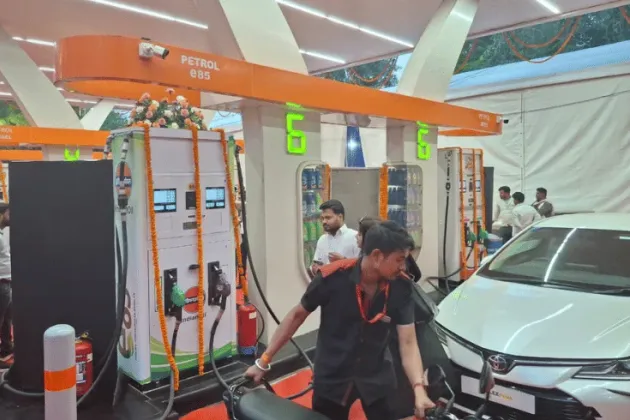

NEW DELHI, July 5, 2026 — petrol has reignited debate over ethanol-blended fuel, with many Indian motorists sharing concerns over fuel efficiency and vehicle performance even as the Centre maintains the fuel is safe for E20-compatible vehicles.
Bhutan has reportedly informed Indian oil marketing companies that it will continue importing conventional petrol until it upgrades its fuel storage and distribution infrastructure. Officials have cited ageing storage facilities, moisture-related risks associated with ethanol and fuel quality concerns as reasons for the decision.
India has been expanding the use of E20 petrol as part of its ethanol blending programme aimed at reducing crude oil imports, lowering emissions and supporting domestic sugarcane farmers. The rollout has, however, generated growing debate among vehicle owners.
While government agencies and the automobile industry maintain that E20 causes only a marginal reduction in fuel efficiency, consumer surveys suggest a different picture. A LocalCircles survey of more than 40,000 owners of petrol vehicles manufactured before 2023 found that nearly two-thirds of respondents reported a mileage loss exceeding 10 per cent, while more than half said they experienced higher maintenance costs or unusual wear and tear after switching to E20. The findings are based on self-reported experiences and have not been independently verified.
The issue has also gained traction on social media platform X, where motorists have been posting videos, photographs and repair bills documenting their experiences.
One widely shared post by X user @multibaggerwala claimed that his car's city mileage dropped from around 13 km per litre to below 10 km per litre, while his scooter's fuel efficiency declined by nearly 30 per cent after using E20. The post, viewed hundreds of thousands of times, alleged that the new fuel could adversely affect older vehicles.
Another viral post by @Technicalchart1 highlighted a consumer dispute involving a 2019 Hyundai i20, where the owner alleged fuel injector and fuel pump corrosion following prolonged use of E20 petrol. The post included repair invoices amounting to about ₹1.8 lakh and referred to a consumer court ruling in the owner's favour. The claims have not been independently verified.
Other videos circulating on X and automobile forums have shown motorists reporting engine warning lights, reduced mileage, fuel pump failures and injector issues after refuelling with E20 petrol. Automobile discussion forums such as Team-BHP and CarsIndia have also hosted extensive discussions on the issue.
The Ministry of Petroleum and Natural Gas has dismissed claims that E20 causes widespread engine damage, stating that the fuel has undergone extensive scientific testing and is safe for vehicles certified for E20 use. The Society of Indian Automobile Manufacturers (SIAM) has similarly maintained that E20-compatible vehicles are designed to operate safely on the fuel, while acknowledging that ethanol's lower energy content may result in a modest reduction in mileage.
Experts note that vehicles manufactured before widespread E20 compatibility may require greater attention to fuel system maintenance because ethanol absorbs moisture more readily and can affect certain rubber and metallic components over extended periods if they were not designed for higher ethanol blends.
Bhutan has not ruled out adopting E20 in the future but has indicated that the transition will depend on modernising its fuel storage and distribution network. Its decision has nevertheless intensified public discussion in India over whether consumers, particularly owners of older vehicles, should have the option of purchasing conventional petrol alongside ethanol-blended fuel.
Comments (0)
No comments yet. Be the first to share your thoughts.
Leave a Comment