

Assam Budget 2026–27: A Blueprint for Agricultural Transformation
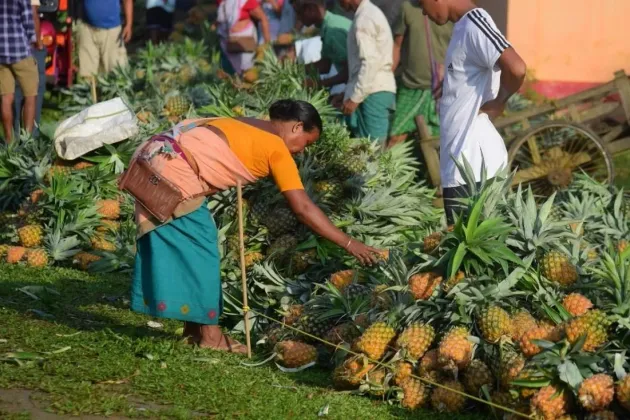

The Assam Budget 2026–27, unveiled under the “Team Assam” vision, reflects a renewed commitment to revitalizing the state’s agricultural and allied sectors. Rather than limiting itself to conventional policy measures, the budget presents a broader developmental narrative—one that links production with markets, technology with tradition, and farmers with global opportunities. At its core lies the ambition to reshape Assam’s rural economy and ensure sustainable prosperity for its farming community.
A central feature of the budget is the renewed thrust on value chain development for high-potential agri-horticultural commodities. Products such as Tezpur litchi, Assam lemon, ginger, turmeric, pineapple, Joha rice and red rice are not only part of the state's identity but also hold significant commercial promise. By pursuing additional Geographical Indication (GI) tags, the government seeks to protect their uniqueness while enhancing their visibility and competitiveness in wider markets.
The push for self-sufficiency in protein-rich food sectors marks another important direction. By strengthening poultry and piggery through scientific breeding, better veterinary services and farmer-centric interventions, the state aims to reduce external dependence. The ambitious target of achieving a daily production of six million eggs further underscores this commitment, building upon notable gains made in recent years.
The fisheries sector, already witnessing steady progress, has been identified as a key driver of inclusive growth. With a target of reaching 10 lakh metric tonnes of fish production by 2030–31, Assam is positioning itself as a regional leader in aquaculture. This growth trajectory not only promises economic returns but also contributes significantly to nutritional security across the state.
Addressing the long-standing issue of credit access, the budget proposes a structured response to the burden of Kisan Credit Card (KCC) non-performing assets. By working closely with banking institutions to resolve ₹1,935 crore worth of NPAs, the government aims to restore confidence in the rural credit system and extend financial support to more than 3.38 lakh farmers. This initiative is expected to stimulate fresh investments in agriculture.
Export promotion has also received due attention, particularly through the encouragement of organic farming practices for high-value crops. Strengthening export infrastructure—especially through the proposed air cargo facility in Guwahati with NABARD support—will enhance market connectivity. At the same time, empowering Farmer Producer Organisations (FPOs) under the Mukhya Mantri Utkarsh Yojana will enable farmers to participate more effectively in value-added markets.
In terms of infrastructure, the transition to a Pressurized Piped Distribution Network represents a significant leap forward in irrigation management. By replacing traditional open channels, the system promises reduced water loss, improved efficiency and timely irrigation—critical factors in making agriculture more resilient to changing climatic conditions.
The welfare of small and marginal farmers continues to remain a priority. The continuation of the Chief Minister’s Agricultural Instrument Scheme will support farm mechanization, while the provision of ₹11,000 annually to beneficiaries under the Pradhan Mantri Kisan Samman Nidhi ensures a steady stream of income support.
The budget also envisions robust growth in allied sectors. A ₹500 crore dairy expansion programme aims to raise milk production to 5.7 million litres per day, strengthening the state's journey towards dairy self-reliance. Meanwhile, Mission Senehjori, backed by a ₹400 crore investment in collaboration with the Ministry of DoNER, aspires to position Assam as a global centre for the famed Golden Muga Silk.
Emerging sectors such as agarwood have been accorded strategic importance. The formation of a high-level Cabinet Task Force to develop a comprehensive value chain—from plantation to export—signals a proactive approach to unlocking new economic opportunities in niche markets.
In a balanced policy move, the government has enhanced support for small tea growers by increasing the Agricultural Income Tax exemption threshold to ₹10 lakh. Simultaneously, the reintroduction of taxation for larger entities, with revenues directed towards tea garden welfare, reflects a thoughtful blend of equity and fiscal responsibility.
Beyond production and trade, the budget also recognizes the cultural dimension of agriculture. Initiatives to regulate and promote traditional Assamese beverages, along with the introduction of "Assam Made Liquor", aim to formalize local industries and curb illicit practices. The proposal to establish Assamese cuisine outlets across major Indian cities further integrates agriculture with entrepreneurship and cultural promotion.
In essence, the Assam Budget 2026–27 offers a comprehensive blueprint for agricultural transformation. By focusing on value addition, infrastructure, institutional reform and cultural branding, it seeks to create a more dynamic and resilient rural economy. The effectiveness of this vision, however, will depend on its execution—ensuring that policy intent translates into real gains for farmers and rural stakeholders across Assam.
Comments (0)
No comments yet. Be the first to share your thoughts.
Leave a Comment