

Pallas’s Cat Documented for the First Time in Arunachal Pradesh
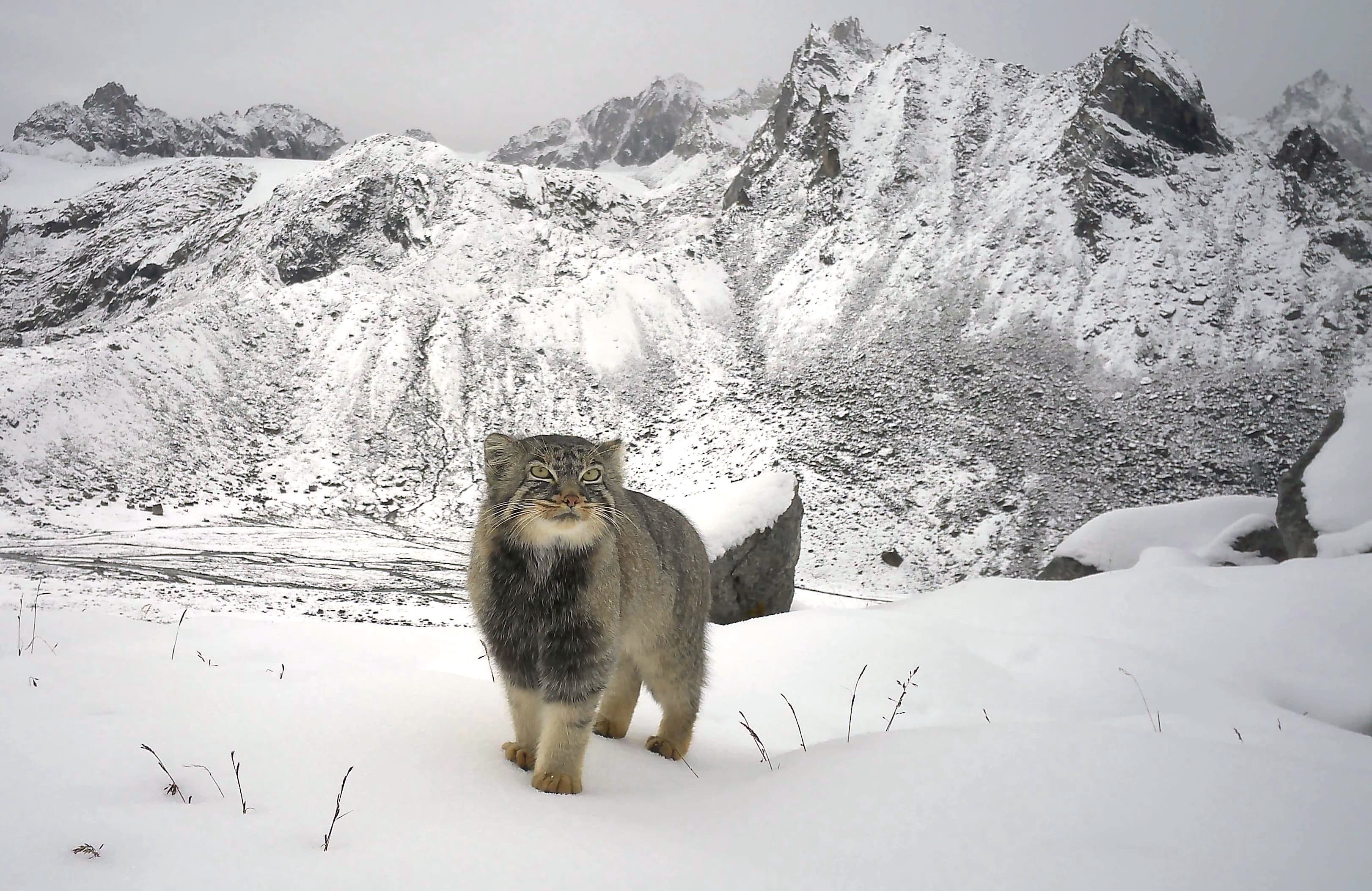

In a landmark wildlife discovery, the elusive Pallas’s Cat has been documented for the first time in Arunachal Pradesh during an extensive high-altitude survey jointly conducted by the Department of Environment, Forest & Climate Change, Government of Arunachal Pradesh and WWF-India.
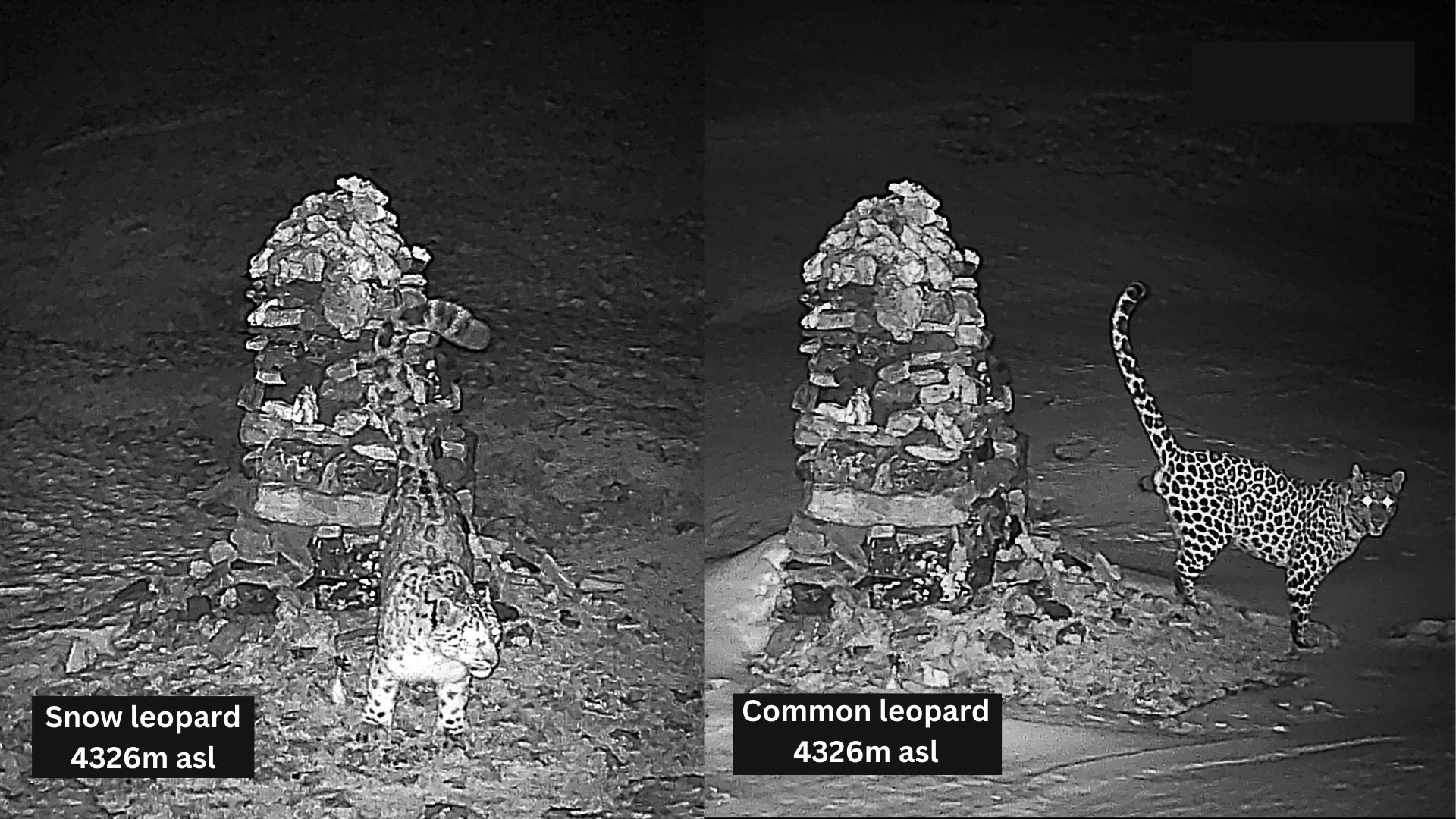
The survey, carried out between July and September 2024, involved 136 camera traps across 2,000 sq km of rugged terrain in Tawang and West Kameng districts. It not only produced the first photographic record of Pallas’s Cat in the state, but also revealed the presence of five other wild cats — snow leopard, common leopard, clouded leopard, leopard cat, and marbled cat — at elevations above 4,200 metres.
The findings mark a significant extension of the known range of Pallas’s Cat in the Eastern Himalaya, adding to previous records from Sikkim, Bhutan, and eastern Nepal. Globally listed as Least Concern by the IUCN, this flat-faced, cold-adapted feline is considered among the world’s most elusive wild cats.
The survey also documented record-breaking elevations for several species in India, including a clouded leopard at 4,650 masl and a common leopard at 4,600 masl — possibly among the highest ever recorded globally.
Officials highlighted the importance of local communities, especially the Brokpa herding community, whose traditional pastoral practices have enabled coexistence with wildlife for centuries.
“The discovery of Pallas’s Cat in Arunachal Pradesh at nearly 5,000 metres is a powerful reminder of how little we know about the high Himalayas,” said Dr. Rishi Kumar Sharma, Head – Science and Conservation, Himalayas Programme, WWF-India. “That this fragile landscape supports such diversity of wild cats alongside pastoral traditions speaks to its extraordinary richness and resilience.”
State forest officials hailed the discovery as a milestone for Himalayan wildlife research.
“These findings reaffirm Arunachal Pradesh’s status as a global biodiversity hotspot,” said Shri Ngilyang Tam, PCCF & CWLW (Wildlife and Biodiversity). “They highlight the importance of continued investment in science-based, community-led conservation.”
This initiative is part of WWF-India’s “Reviving Trans-Himalayan Rangelands – A Community-led Vision for People and Nature”, supported by the UK Government’s Darwin Initiative.
Comments (0)
No comments yet. Be the first to share your thoughts.
Leave a Comment