
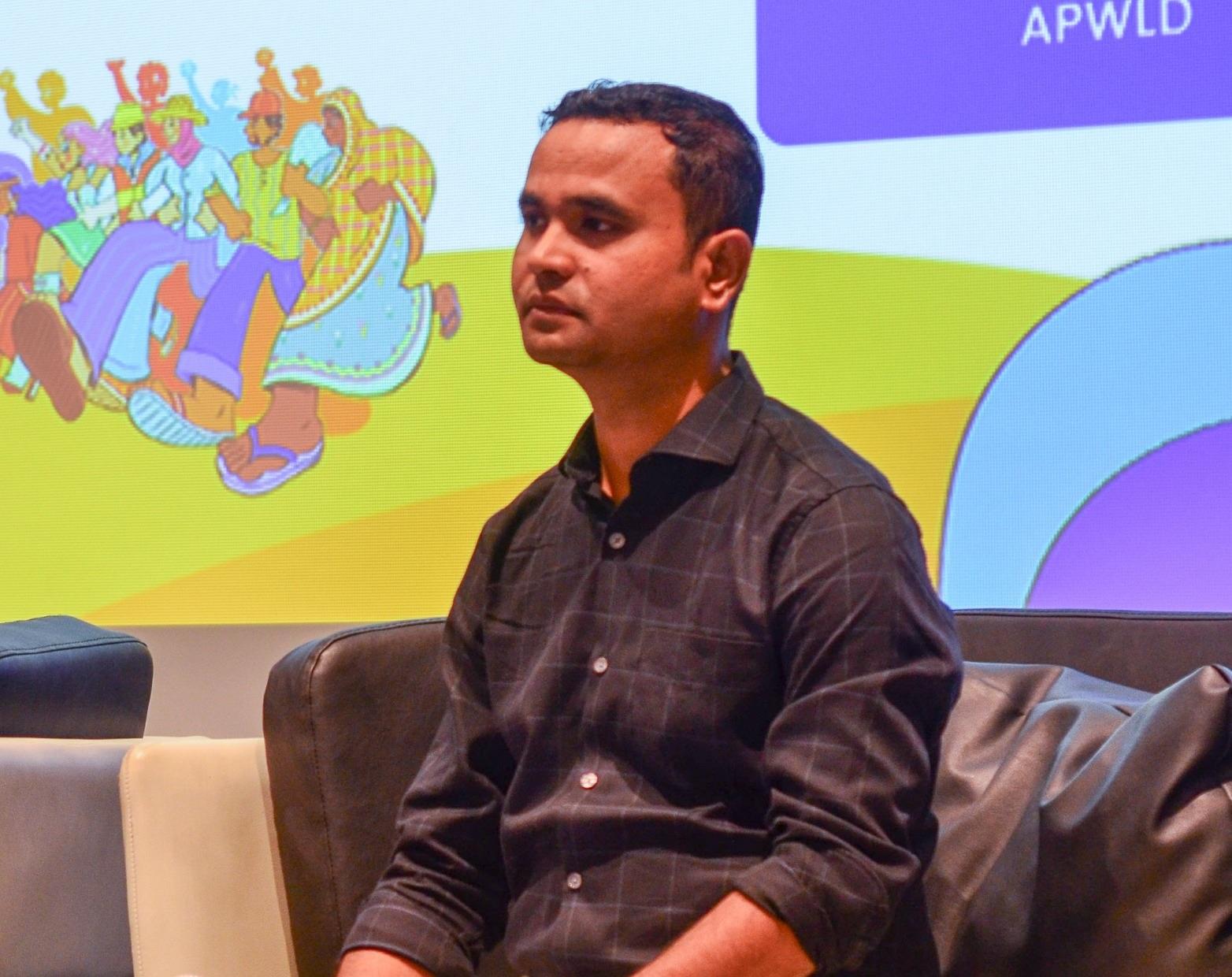
Jorhat: Tirtha Prasad Saikia, Director of the North-East Affected Area Development Society (NEADS), an indigenous civil society organisation based in Jorhat, Assam, has been appointed as the Constituency Focal Point for the People Affected by Conflict and Disaster Constituency of the Asia Pacific Regional CSO Engagement Mechanism (APRCEM).
APRCEM is a regional civil society platform that brings together organisations across Asia and the Pacific to engage with intergovernmental processes on sustainable development, particularly the implementation and review of the 2030 Agenda for Sustainable Development and the Sustainable Development Goals (SDGs).
Through this organisational role, Saikia will represent and delegate NEADS in regional civil society processes. He has also been selected as a Member of the Regional Coordinating Committee (RCC) of APRCEM.
As Constituency Focal Point, Saikia will represent the voices, concerns and priorities of communities affected by conflicts, disasters and climate-induced crises across the Asia-Pacific region. His responsibilities will include facilitating coordination among civil society organisations, strengthening regional advocacy, and contributing to policy engagement processes that promote inclusive and locally grounded development pathways.
His work in the RCC will focus on addressing interconnected systemic challenges such as the climate crisis, humanitarian emergencies, structural vulnerabilities and long-term resilience building. Saikia formally assumed the responsibility from 1 March 2026.
With extensive grassroots experience from Assam and the wider North-East region of India, Saikia has worked closely with risk-prone and vulnerable communities on humanitarian assistance, disaster risk reduction, resilience building, climate action, governance, people’s research and rights-based development.
Through this engagement, he aims to bring grassroots perspectives to the centre of decision-making, advocate for locally led action in humanitarian and development sectors, and ensure that regional and global policies are informed by the lived experiences and resilience of affected communities.
- 28126 reads



Add new comment