

Japanese Encephalitis death toll in Assam rises to 10; 42 cases reported this year
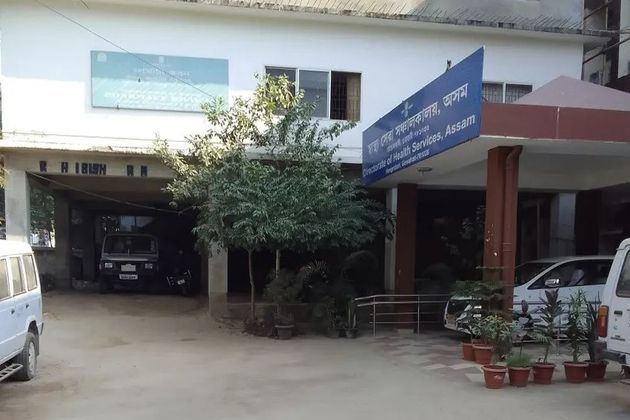

Japanese Encephalitis (JE) has claimed 10 lives in Assam so far this year, with 42 people testing positive for the mosquito-borne disease, according to official health data.
The latest figures reflect a worrying rise in infections and fatalities as the state enters the peak monsoon season, a period traditionally associated with a surge in JE cases. Just a week ago, Assam had reported seven deaths and 35 cases.
Health officials have urged people, particularly those living in rural and flood-prone areas, to remain vigilant and take precautions against mosquito bites. District health teams have intensified surveillance, fogging drives and awareness campaigns in vulnerable areas.
Japanese Encephalitis is spread by infected Culex mosquitoes, which breed in waterlogged areas and paddy fields. The disease can cause high fever, severe headache, vomiting and inflammation of the brain. In serious cases, it can lead to long-term neurological complications or death.
For many families, the rising numbers have revived memories of previous monsoon seasons when the disease claimed dozens of lives across the state. Health workers say early medical intervention remains critical, as prompt treatment can significantly improve survival chances.
Officials have advised residents to use mosquito nets, wear full-sleeved clothing, avoid stagnant water around homes and seek immediate medical attention if symptoms appear.
Assam has long been among the states most affected by Japanese Encephalitis, with cases typically increasing between June and September. With the transmission season still underway, health authorities have appealed for greater community participation in preventive measures to curb the spread of the disease.
Comments (0)
No comments yet. Be the first to share your thoughts.
Leave a Comment