

Flames of Frustration: Why Karbi Anglong's Eviction Crisis Exploded into Violence
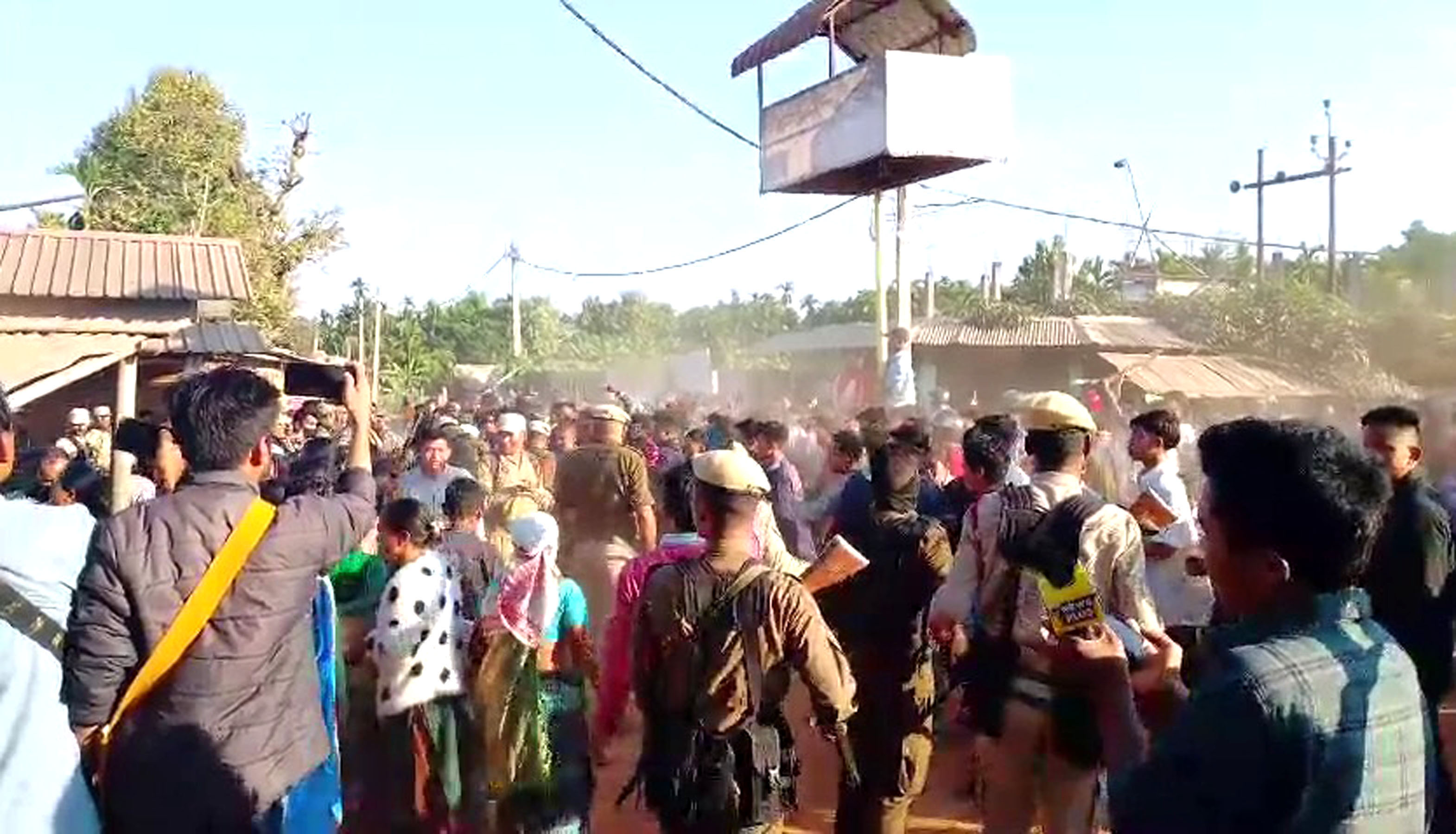

The hills of West Karbi Anglong district in Assam witnessed a dramatic eruption of violence this week, underscoring deep frustrations over land rights and perceived governmental inconsistency.
On December 22, 2025, protesters demanding the eviction of alleged encroachers from protected tribal grazing reserves torched the ancestral home of Karbi Anglong Autonomous Council (KAAC) Chief Executive Member Tuliram Ronghang in Dongkamukam and set fire to several shops in Kheroni Bazaar. The next day, despite prohibitory orders under Section 163 of the Bharatiya Nagarik Suraksha Sanhita (BNSS), clashes between opposing groups led to stone-pelting, injuring several people, including protesters, police, and journalists.
Security forces used lathicharge, tear gas, and blank firing to disperse crowds, while internet services were suspended in the region.
At the heart of the unrest is a long-standing demand by Karbi tribal organisations to reclaim Village Grazing Reserves (VGR) and Professional Grazing Reserves (PGR)—lands safeguarded under the Sixth Schedule of the Constitution for indigenous communities. The KAAC issued eviction notices in February 2024 targeting alleged illegal settlers, many from Bihar and other states, occupying thousands of acres.
However, a Gauhati High Court stay order halted the process, stalling action and breeding resentment. A two-week hunger strike by protesters in Kheroni escalated after rumours spread that strikers had been arrested (they were actually shifted to hospital for treatment), triggering the arson and clashes.
This incident stands in stark contrast to eviction drives in other parts of Assam throughout 2025. In districts like Goalpara, Dhubri, Nagaon, Lakhimpur, and Kokrajhar, the state government has aggressively cleared encroached lands—often government or forest reserves—displacing thousands from diverse communities, including Bengali-speaking Muslims (Miyas), Ahoms, Mishings, Morans, Bodos, and others who had settled for decades.
These operations, frequently backed by court orders and massive police deployments, have proceeded with limited large-scale resistance from the affected groups. Critics have accused some drives of serving corporate interests, such as clearing land for projects by Adani or Reliance, while others frame them as anti-encroachment measures.
Why, then, did Karbi Anglong explode while others remained relatively subdued?
Here, the protesters are not the evictees but the indigenous Karbis, who feel their constitutional protections are being ignored. They perceive the government's proactive enforcement elsewhere as evidence that action is possible when prioritised, yet in their Sixth Schedule area, legal hurdles and delays have allowed encroachments to persist. Reports suggest demographic shifts have reduced Karbi dominance in parts of the district, heightening fears of marginalisation akin to that faced by tribals in neighbouring states.
The government's response has been measured. Minister Ranoj Pegu engaged with protesters, leading them to call off the hunger strike on December 23 in exchange for assurances of tripartite talks involving the state, KAAC, and agitators—chaired by Chief Minister Himanta Biswa Sarma on December 26. Additional forces were deployed, and prohibitory orders imposed to restore calm, with no major fresh incidents reported since Monday night.
Yet, this episode exposes a troubling disparity in policy application across Assam's ethnic tapestry. When evictions target marginalised or minority settlers in the plains, the state acts decisively with judicial backing and force. In tribal hill districts, demands for similar protection meet inertia, fuelling desperation and violence. Such inconsistencies risk eroding trust in governance and exacerbating communal divides.
Violence, including arson targeting leaders or communities, is never justified—it undermines legitimate grievances and invites repression. Assam's leaders must ensure equitable enforcement of land laws, resolve pending court cases swiftly, and prioritise inclusive dialogue. Only through consistent justice and development can the state prevent recurring flames of frustration from consuming its fragile peace.
Comments (0)
No comments yet. Be the first to share your thoughts.
Leave a Comment